10 Best Business Intelligence Companies in 2026

10 Best Business Intelligence Companies in 2026

In 2026, business intelligence (BI) is no longer optional; it’s a core foundation for how organizations operate, compete, and grow. Teams across marketing, product, finance, and operations depend on BI tools to transform raw data into meaningful insights, enabling faster decisions, proactive risk management, and confident execution.

Modern BI goes far beyond static dashboards or basic reporting. Today’s platforms are designed to fit seamlessly into how teams actually work, whether that means enabling no-code data exploration, automating workflows, integrating with existing systems, or delivering real-time insights across departments.

Understanding BI also means distinguishing it from analytics. While analytics focuses on deeper data exploration and predictive modeling, BI emphasizes accessibility, visibility, and day-to-day decision support. Together, they form a powerful combination, but BI ensures insights reach the right people at the right time.

In this guide, we’ll break down what business intelligence truly means in today’s landscape, how it differs from analytics, and the key features to evaluate when choosing a platform. We’ll also highlight the top BI companies shaping the space in 2026, helping you find the right solution to keep your teams aligned, make smarter data-driven decisions, and stay focused on driving impact.

What is a business intelligence company?

A business intelligence (BI) company develops tools that help teams understand and act on their data. These platforms bring together information from multiple systems, such as CRMs, marketing tools, and financial databases, and transform it into dashboards, automated reports, and alerts that teams rely on in their day-to-day work.

Unlike data warehouses, which focus on storing data, or analytics platforms built primarily for data specialists, BI tools are designed for accessibility across the organization. They enable teams to explore trends, monitor key performance indicators (KPIs), and make informed decisions without needing to write code.

Some BI platforms offer real-time data updates and predictive capabilities, while others prioritize structured reporting and clear data visualization. The right choice often depends on how a team prefers to work and the level of insight they need.

At their best, BI tools do more than just answer questions. They empower teams to ask better questions, uncover new opportunities, and move forward with a shared understanding of what the data reveals.

Business intelligence vs analytics

While both business intelligence and analytics help teams make sense of their data, they support different types of decisions. As Harvard Business School explains, BI focuses on answering “what’s happening,” while analytics goes deeper to explain “why it happened” and “what’s likely to happen next.”

BI platforms are built for everyday use across the organization. By showing what’s happening in real time, they give teams immediate visibility into key metrics. Sales teams can monitor pipeline health, marketers can adjust campaigns as they run, and product teams can track user behavior as it evolves. The emphasis is on clarity, speed, and action rather than technical complexity.

Analytics, on the other hand, is designed for deeper exploration. It uses more advanced techniques, such as statistical modeling and forecasting, to uncover patterns and predict future outcomes. These insights are valuable for long-term strategy and planning, but they typically require more time, expertise, and context to develop and interpret.

Together, BI and analytics complement each other. BI helps teams stay aligned and responsive in the moment, while analytics provides the deeper insights needed to guide future decisions.

Benefits of using business intelligence

Business intelligence platforms enable teams to incorporate data into their everyday decisions without needing a technical background or specialized expertise. By making data accessible and easy to understand, BI tools help organizations move faster, stay aligned, and act with confidence.

Here are some of the most important ways BI supports work across different departments:

See what’s happening in real time

Instead of relying on static spreadsheets or end-of-month reports, teams can access live dashboards that reflect current conditions. Real-time BI allows sales teams to track pipeline changes throughout the day, operations leaders to identify slowdowns before they escalate, and finance teams to monitor performance against forecasts as conditions evolve.

Make data accessible across teams

Modern BI tools make it easy for anyone, from HR to product to sales, to explore and act on data without writing code. With self-service capabilities, teams no longer need to wait on analysts for answers; they can investigate trends and find insights independently.

Get support from AI and machine learning

Many BI platforms now include features powered by AI and machine learning. These capabilities can automatically detect anomalies, forecast trends, and suggest next steps. Understanding how AI complements BI helps teams choose the right level of intelligence for their daily workflows.

Protect data without slowing down

Built-in security, governance, and access controls allow teams to share insights confidently without compromising data integrity or compliance. Whether sharing dashboards with leadership or connecting multiple data sources, organizations can ensure their data remains both secure and actionable.

How to select the right BI platform

Choosing the right business intelligence platform isn’t just about checking off a list of features. It’s about finding a system that fits how your team solves problems, shares insights, and makes decisions every day.

Start with your team’s goals

Before comparing platforms, take a step back and define what success looks like. Are you trying to speed up reporting, expand self-service access, or share insights with external partners? Your priorities will shape what you need from a platform, whether that’s automation, customization, or advanced analytics.

If your team is still aligning on goals, building a BI strategy can help clarify where to start.

Evaluate how well the platform supports your needs

Once your goals are clear, assess how each platform fits into your team’s actual workflows. Look beyond feature lists and focus on usability, adaptability, and long-term scalability.

Consider core areas such as data access, governance, collaboration, automation, and deployment flexibility.

As you evaluate your options, ask questions like:

  • Ease of use: Can non-technical teams explore and build with confidence?
  • Scalability: Will it support more data, more users, and more tools as you grow?
  • Integration: Does it connect with the systems you already rely on?
  • Security and governance: Are there clear controls for access, compliance, and auditing?
  • Collaboration: Can teams easily share insights across departments and roles?

Look for proven success in real-world use

Consider what types of teams and companies are already using the platform. Look for case studies or success stories from organizations in your industry. Some tools are better suited for small teams or focused use cases, while others, especially enterprise BI platforms, are designed to handle complex environments with multiple stakeholders.

Top 10 BI companies in 2026

With these criteria in mind, these are the BI platforms making the biggest impact in 2025. Each one brings something different to the table, from advanced analytics to embedded experiences, but all are focused on helping teams turn data into action.

Whether you’re looking for a flexible tool to support everyday decisions or an enterprise-grade platform to unify data across departments, here are ten providers worth considering and what makes each one stand out.

1. Niracore

Niracore stands out as a modern analytics partner focused on helping businesses convert complex
data into actionable intelligence. The company combines analytics consulting, business intelligence,
and data engineering to deliver scalable, secure solutions that support digital transformation
initiatives.

By focusing on outcome-driven strategies, Niracore enables organizations to improve visibility,
accelerate decision-making, and build AI-ready data ecosystems.

Take a look at our Power BI Dashboards

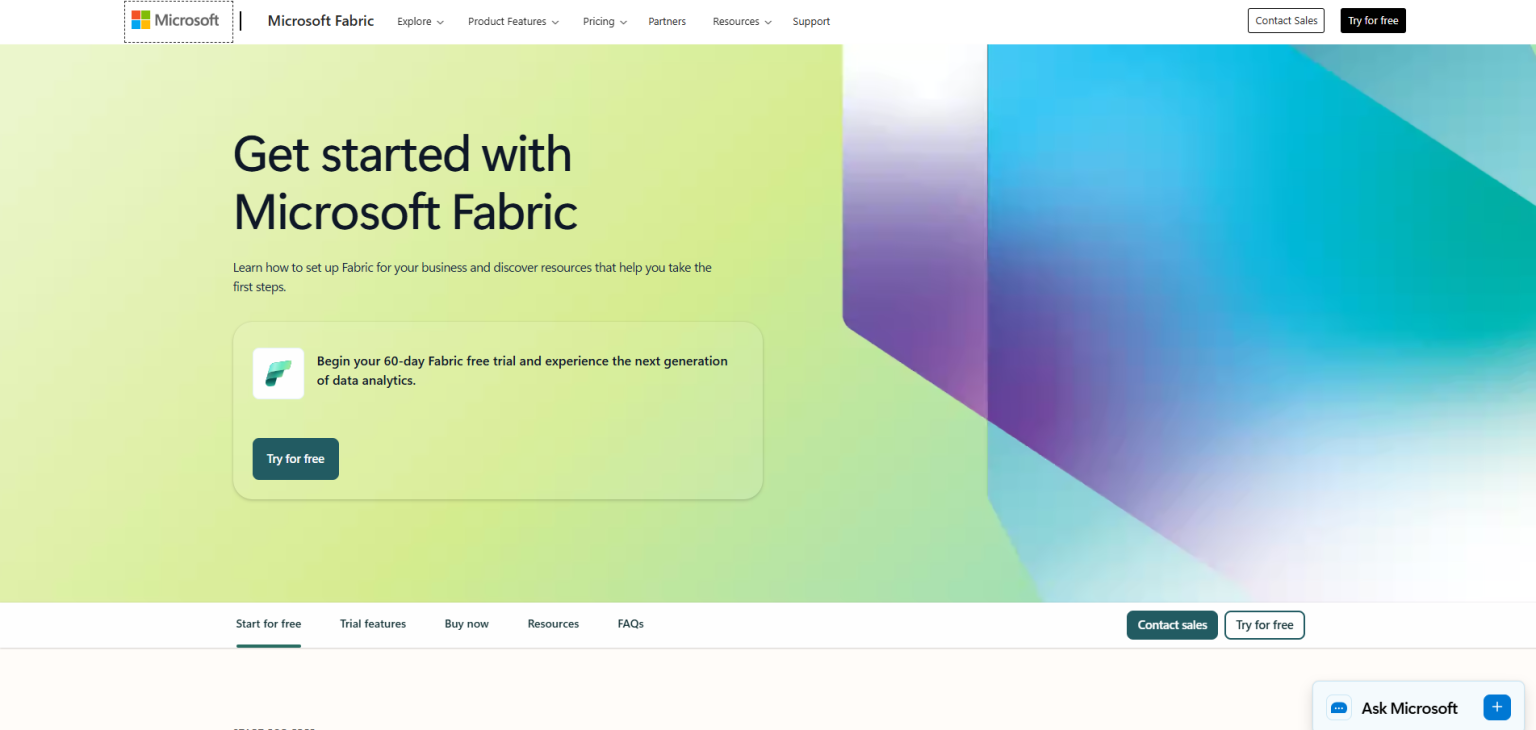
2. Microsoft Power BI

Power BI is a strong option for teams already working within the Microsoft ecosystem. With built-in connections to Excel, Teams, Azure, and other Microsoft services, it allows teams to create reports and dashboards within tools they already use.

It supports both self-service and enterprise-scale deployments, although larger implementations may require IT involvement. For teams focused on centralized reporting and cost efficiency, Power BI offers a familiar and flexible solution, especially when integrated into existing Microsoft 365 environments.

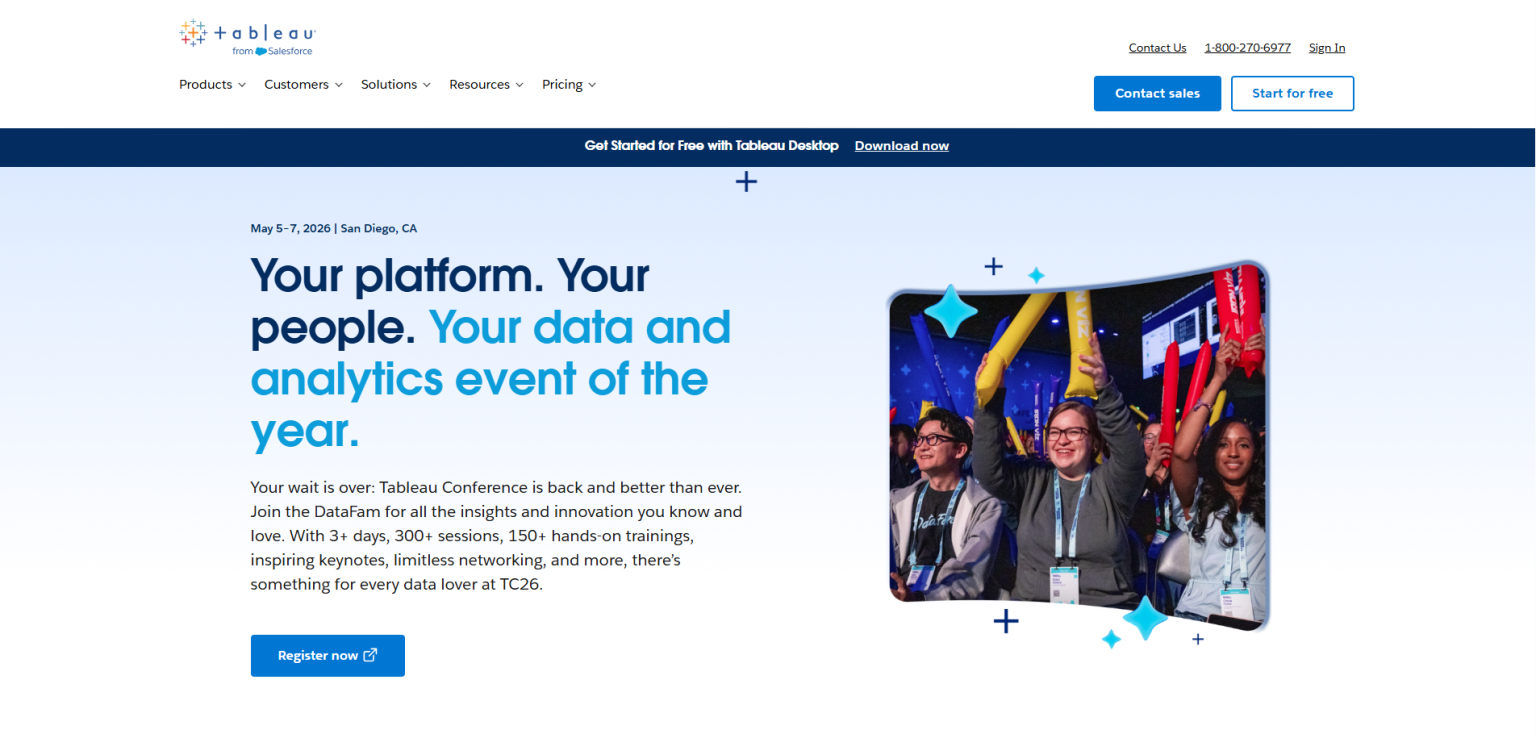
3. Tableau

Known for its visual storytelling capabilities, Tableau makes it easy to create polished dashboards with a drag-and-drop interface. Now part of Salesforce, it integrates more deeply with CRM data and offers AI-powered insights through Salesforce Einstein. 

Tableau is well-suited for analysts and data-savvy teams that want control over how data is modeled, formatted, and shared. While setup can involve more technical configuration, it’s a solid fit for companies that prioritize visual analytics and want to tie what they learn to customer-facing strategies.

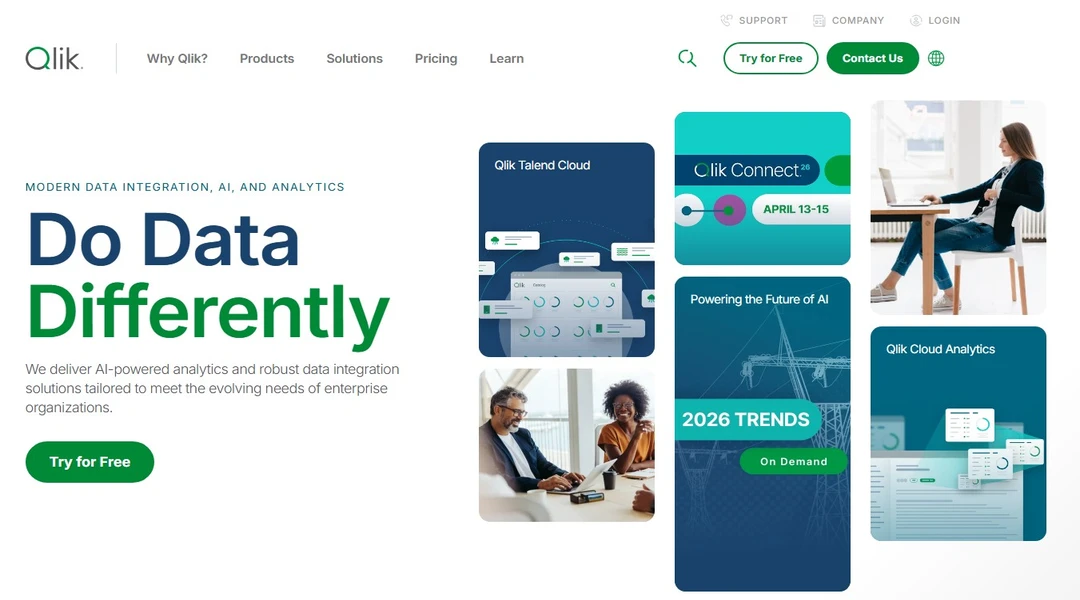
4. Qlik

Qlik is known for its associative engine, which enables teams to explore relationships across data sets without relying on predefined queries. This makes it easier to uncover insights that might be missed in more structured environments. 

Qlik supports both cloud and on-premises deployments and is often used by those with complex data architectures. It offers strong governance tools and advanced features for data modeling, which makes it well-suited for IT-led implementations. For teams that want flexible deployment options and control over data structure, Qlik provides a strong framework though it may be more technical than tools designed for self-service.

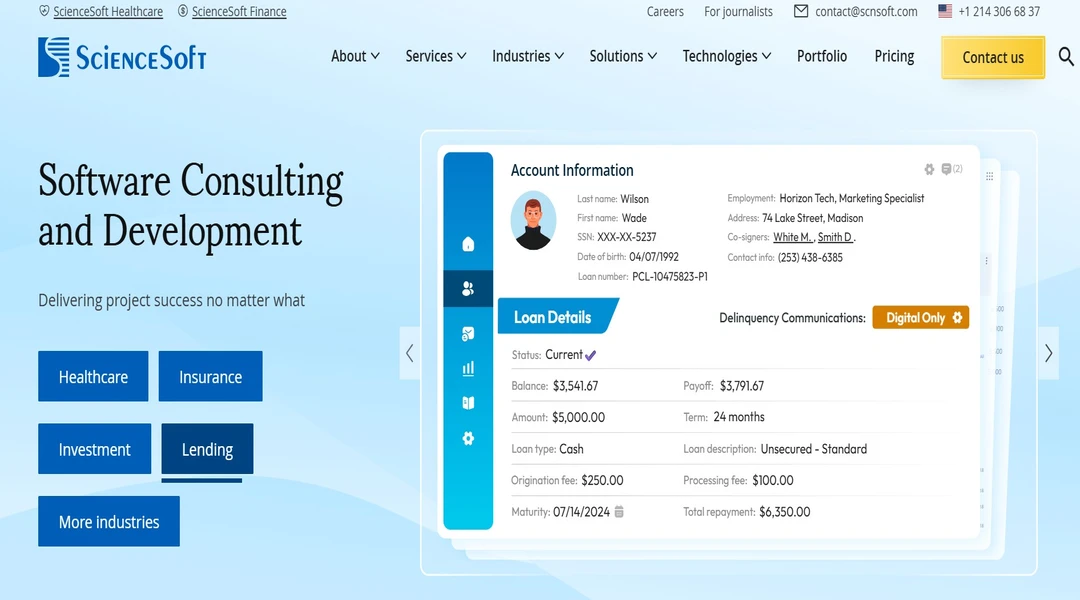
3. ScienceSoft

ScienceSoft is a well established IT consulting company known for delivering enterprise level analytics platforms. The firm specializes in helping organizations modernize legacy reporting systems through advanced Power BI implementation services.

Their consulting team designs scalable architectures that support real time reporting and complex data integrations.

6. Oracle Analytics

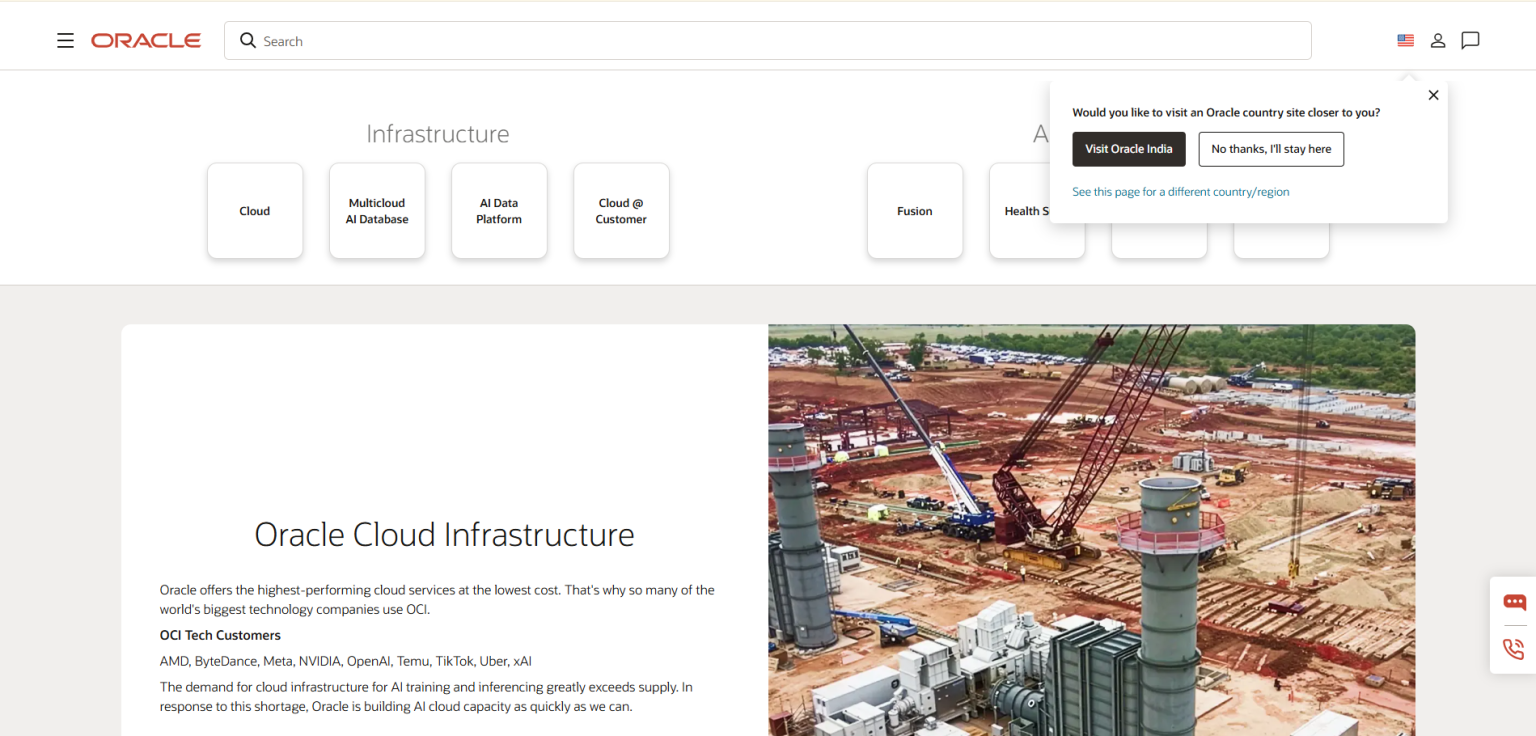
Oracle Analytics Cloud is a good fit for those already using Oracle’s suite of enterprise tools. It offers built-in machine learning, predictive analytics, and natural language querying features that help technical and non-technical teams alike explore large volumes of data. 

Its native integration with Oracle ERP and database systems makes it easier for finance, HR, and operations teams to work with the data they rely on every day. While it may be more complex to implement and manage than lighter BI solutions, Oracle Analytics provides a scalable option for teams that need to embed analytics into core business processes.

7. ThoughtSpot

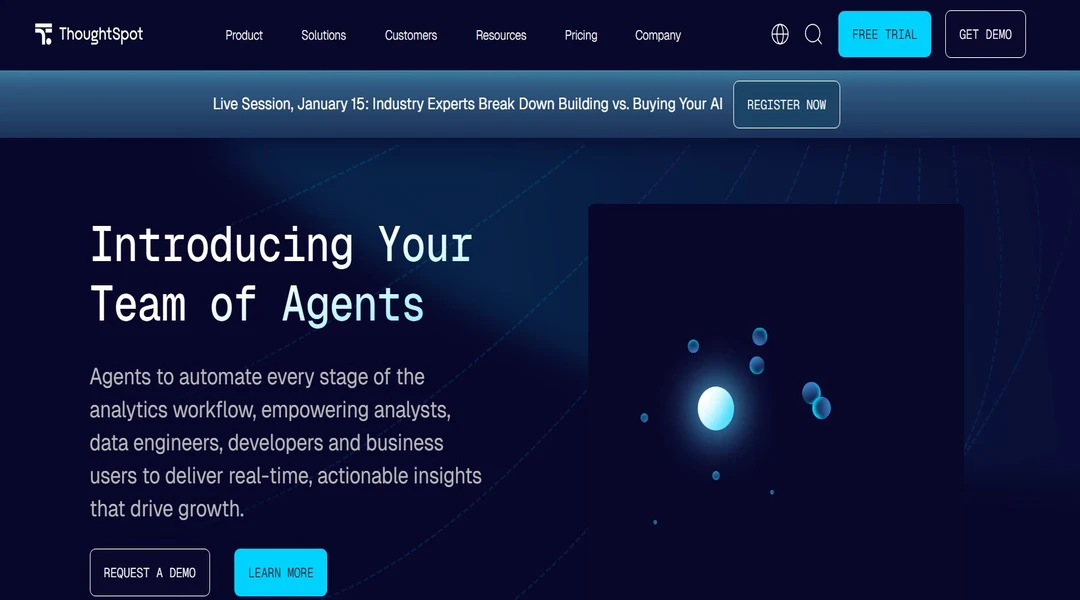
ThoughtSpot focuses on making data searchable. With its natural language search interface, people can type questions the way they would in a search engine, making it easier for non-technical team members to find answers on their own. 

The platform also includes AI-driven recommendations and automated insights, which can help teams surface trends they might not have considered. For those seeking out a fast, approachable way to explore data without writing code, ThoughtSpot lowers the barrier to entry, though more complex analysis may still require support from data teams.

8. SAP Analytics Cloud

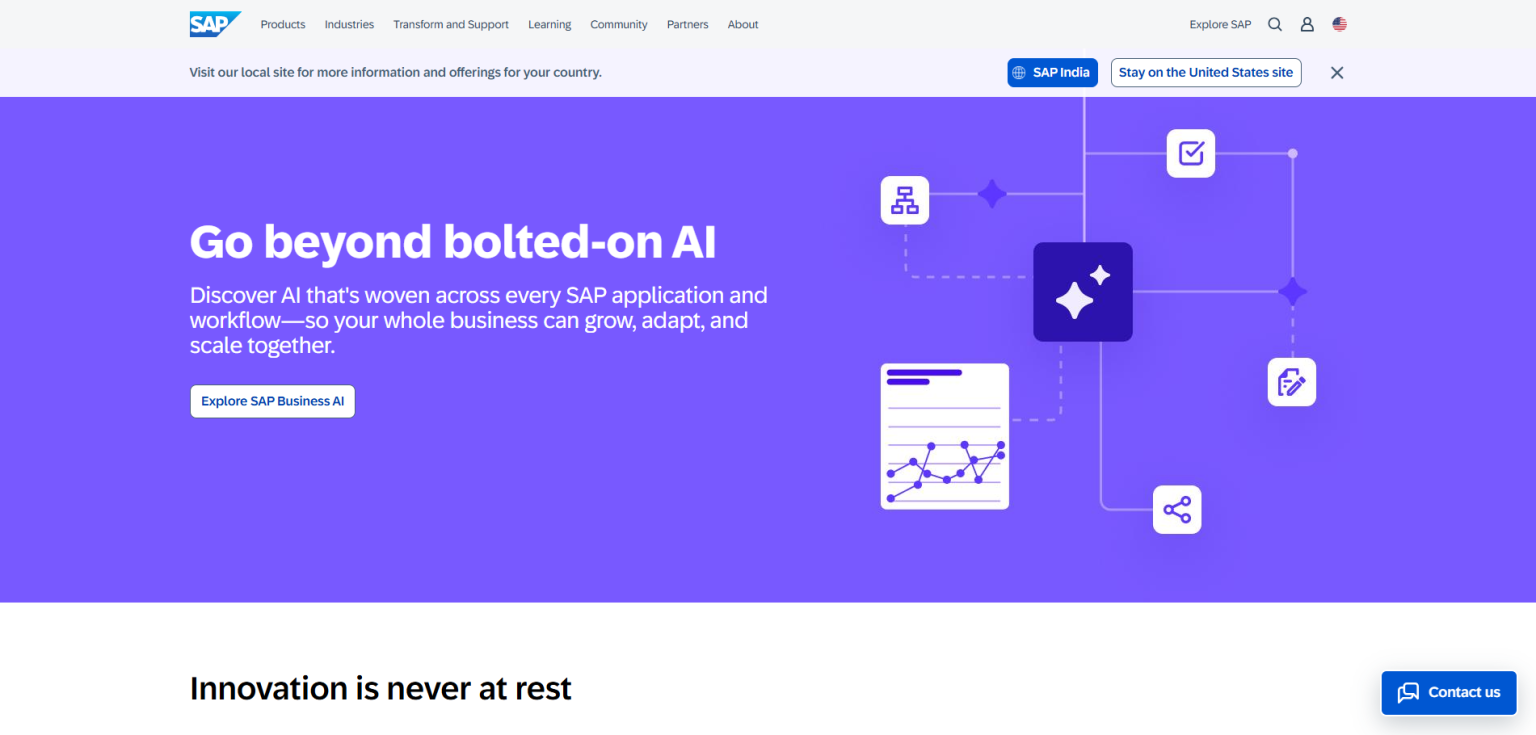
SAP Analytics Cloud is designed to support teams already embedded in the SAP ecosystem. It offers planning, reporting, and predictive analytics in one platform, with native connections to SAP ERP, HANA, and other enterprise systems. 

Teams in finance, supply chain, and operations often use this platform to align reporting with business planning and forecasting. While it can take time to configure for specific needs, it’s a solid choice for organizations that rely heavily on SAP infrastructure and want a BI tool that works well within that environment. For teams outside the SAP stack, however, the learning curve and integration effort may be higher.

9. Sisense

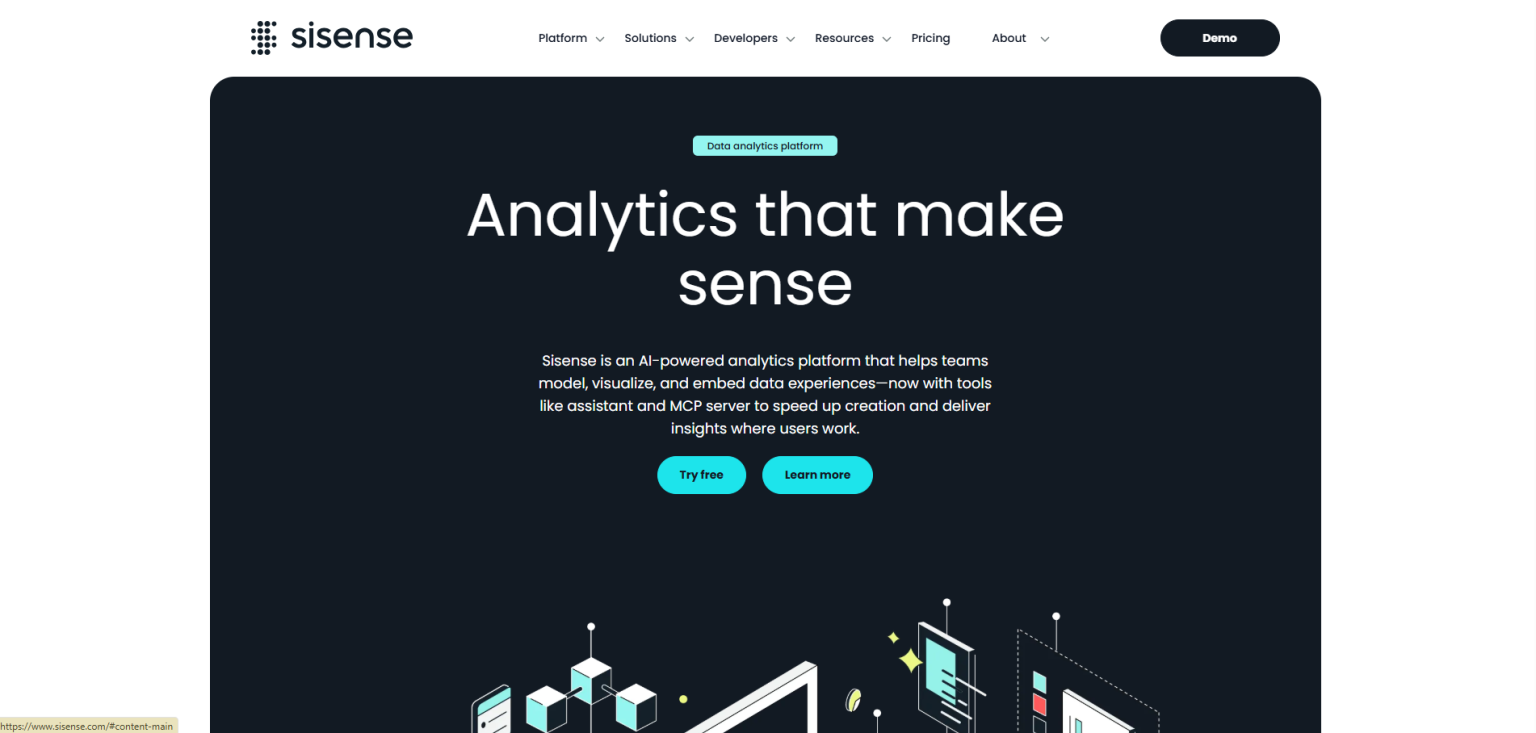
Sisense is a flexible BI platform that gives product and engineering teams more control over how analytics are delivered. It’s popular for embedded use cases—like adding dashboards directly into customer-facing applications—and for white-labeling analytics in SaaS products. 

The platform allows teams to build custom data experiences using APIs and developer tools, while also supporting drag-and-drop dashboard creation for business teams. Sisense is best suited for those who want to offer analytics as part of their product or service, and who have the technical resources to support more advanced customizations.

10. Zoho Analytics

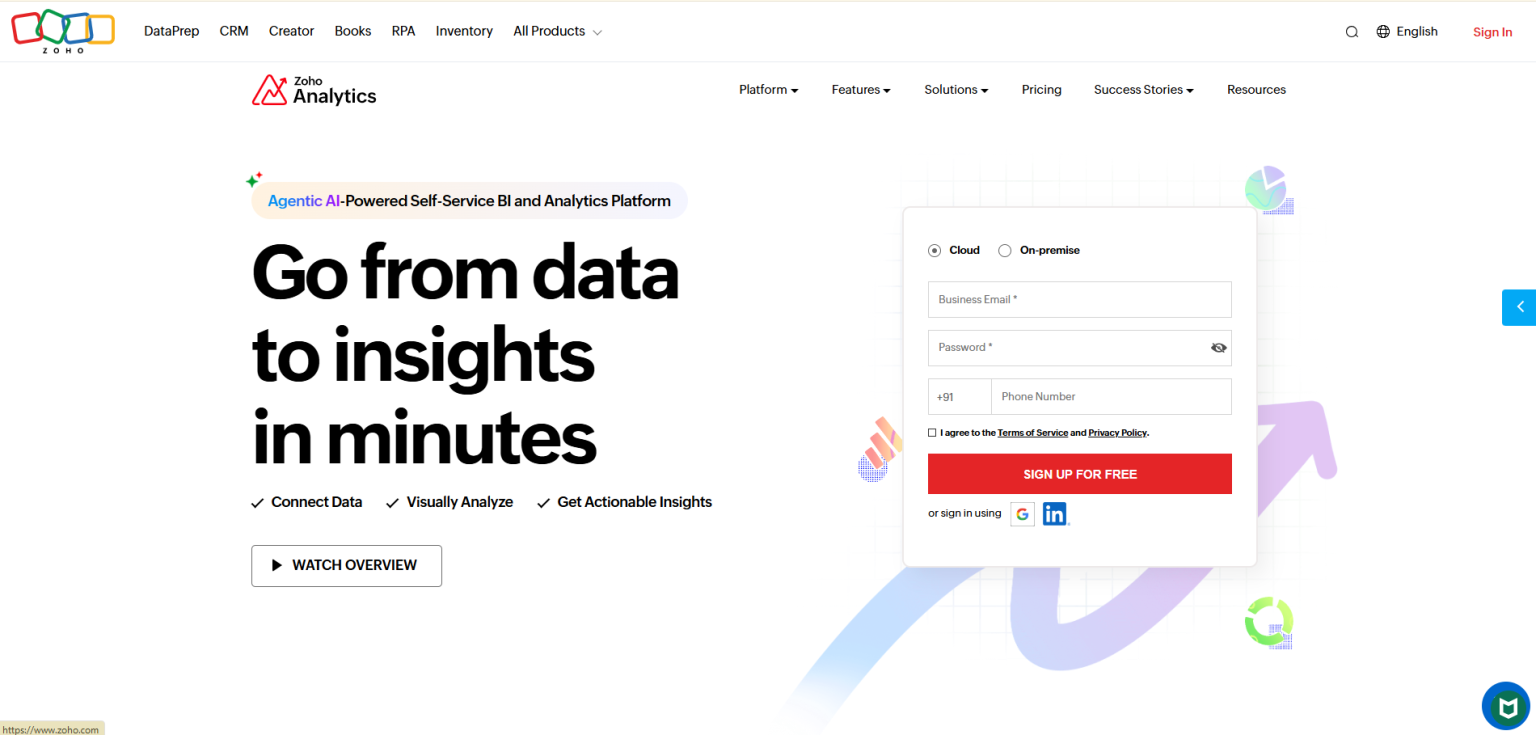
Zoho Analytics offers an approachable BI platform for small and mid-sized teams. It includes prebuilt connectors, visualizations, and basic forecasting tools, with a focus on simplicity and speed to insight. 

For teams already using Zoho apps like CRM, Projects, or Finance it offers a consistent experience and quick integration. While it may not offer the depth or flexibility of larger enterprise platforms, Zoho Analytics is a practical option for teams that need to centralize reporting and explore data without a steep learning curve.

Choosing the right BI partner

Business intelligence tools make it easier for teams to ask better questions, share data-driven answers, and move forward with confidence. Whether your goal is real-time visibility, stronger collaboration, or easier access to insights, the right BI platform should simplify your work, not add complexity.

Niracore is built with that in mind. From self-service dashboards to powerful automation and AI capabilities, it brings everything together in a single platform designed to support how teams actually operate, not just how data is structured.

With Niracore, teams can explore data without writing code, build custom workflows without starting from scratch, and connect to thousands of data sources without heavy IT involvement. Built-in governance and security ensure that speed and flexibility never come at the expense of control.

Ready to see what modern BI can look like in your organization? Try Niracore for free or connect with our team to explore what’s possible.

Email us: sales@niracore.com